
Pollinator Project
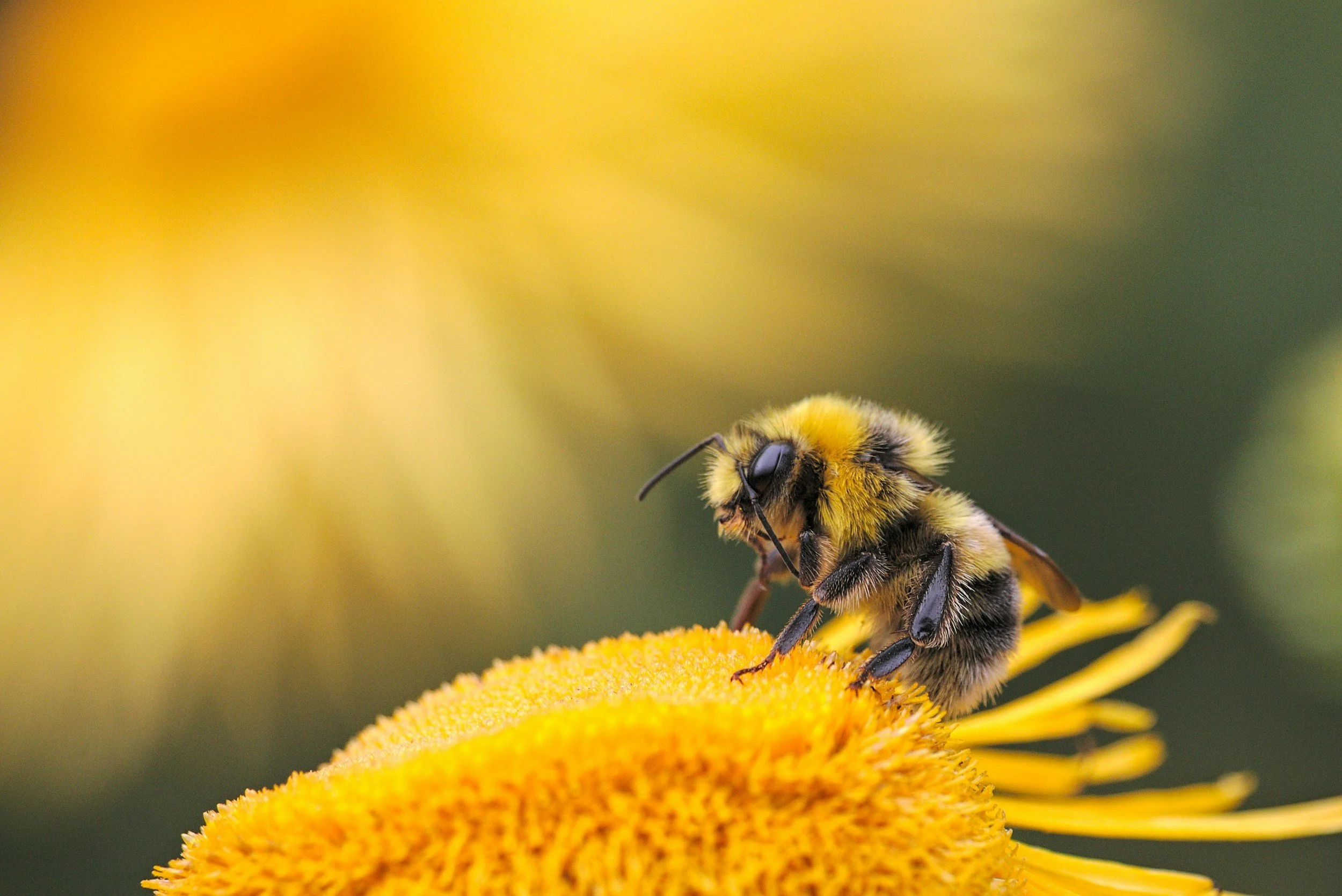
At Project Apis CIC, honeybees are a big part of what we do, but we also recognise that they are only one part of the wider pollinator picture. Bumblebees, solitary bees, butterflies, hoverflies and many other insects all play an important role in supporting biodiversity and healthy green spaces.
Honeybees are one of the most visible and well known pollinators, which makes them a powerful way to engage communities, start conversations and reconnect people with nature. At the same time, we understand that there is ongoing discussion around the relationship between managed honeybee colonies and wild pollinators, with research exploring both positive and negative impacts depending on the setting, forage availability and hive density.
Our Pollinator Project has been developed to reflect that approach. Alongside our community apiaries, we also create opportunities to support other pollinators through practical habitat based projects, including bumblebee nest installations and pollinator friendly spaces. This allows us to widen the environmental value of our work, improve education around pollinator diversity, and offer a lower cost way for sites to get involved.
Because of this, we believe pollinator work should be thoughtful, balanced and based on more than one species alone.
Why this matters
Pollinator decline is a growing concern across the UK. Habitat loss, changing land use, pesticide exposure and climate pressures all affect a wide range of species, not just honeybees. If we want to support biodiversity properly, we need to think about the full picture.
That means recognising that:
honeybees matter
wild pollinators matter
education matters
habitat matters
By talking openly about the role of honeybees within a wider pollinator ecosystem, we can help communities, funders and businesses take part in projects that are more informed, more balanced and more beneficial overall.
What we do
Through the Project Apis Pollinator Project, we can design and deliver smaller scale pollinator focused installations that sit alongside or apart from our honeybee work.
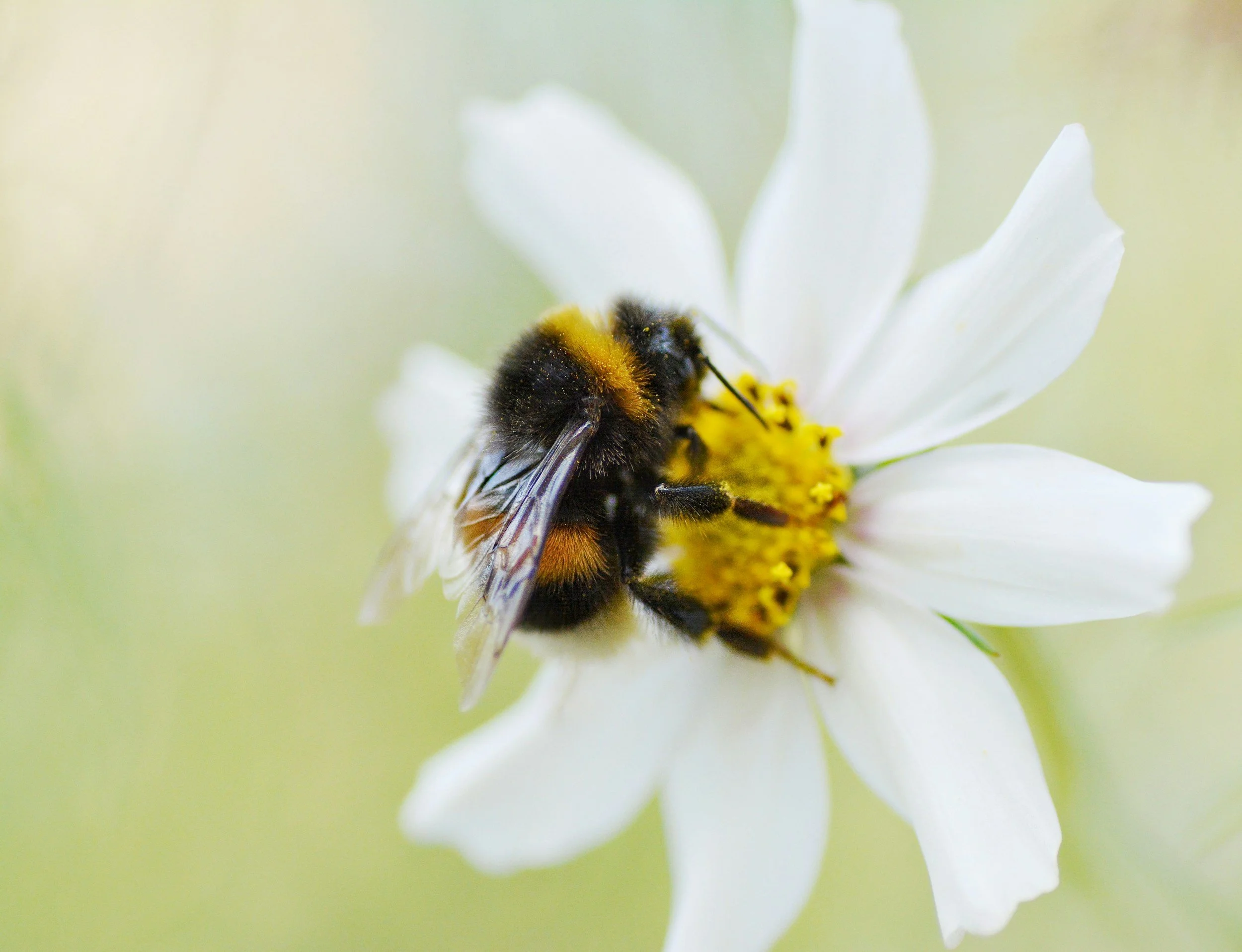
Bumblebee nest installations
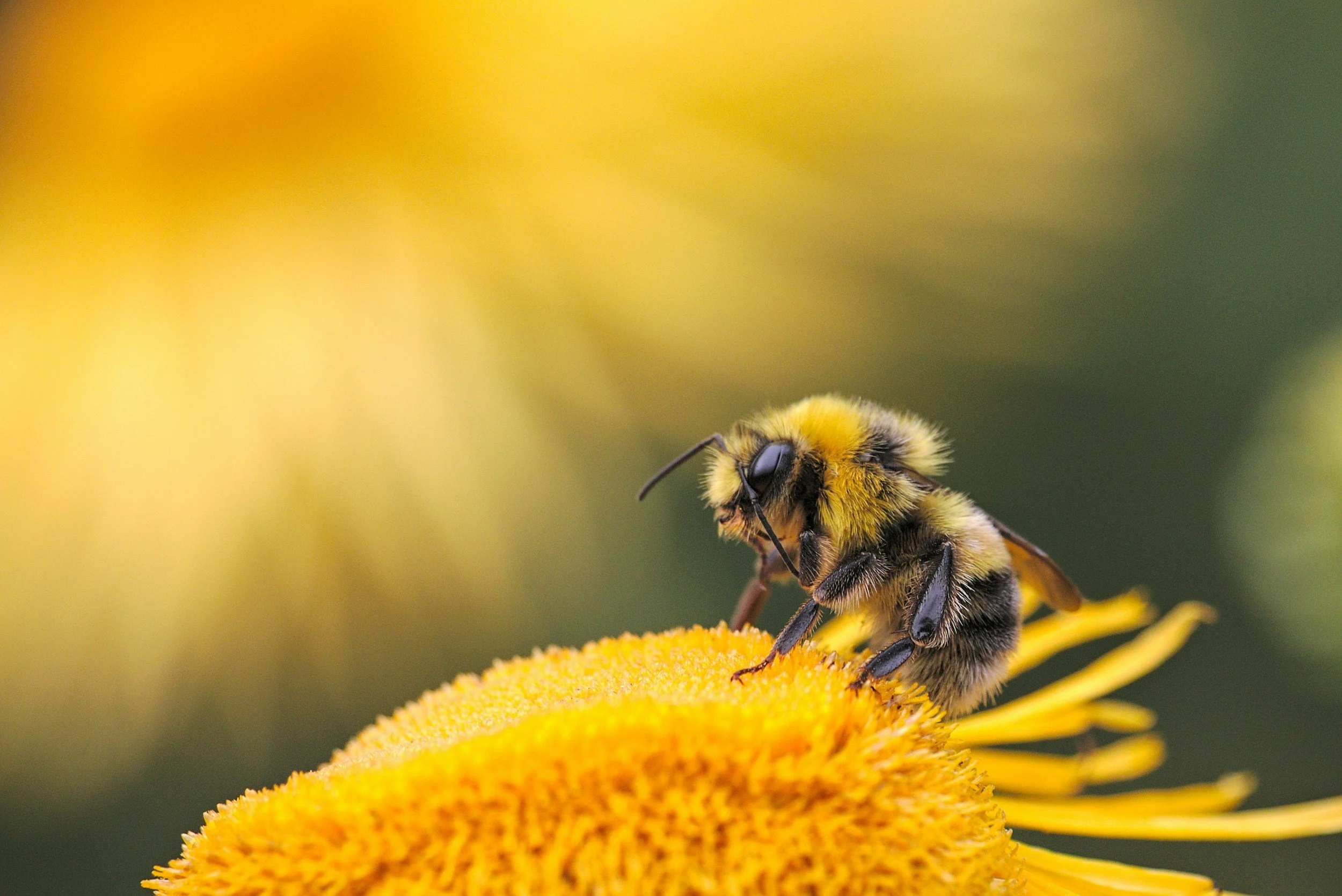
We build, supply and install bumblebee nesting setups for suitable sites, with advice on placement and surrounding habitat support.
Pollinator friendly site guidance
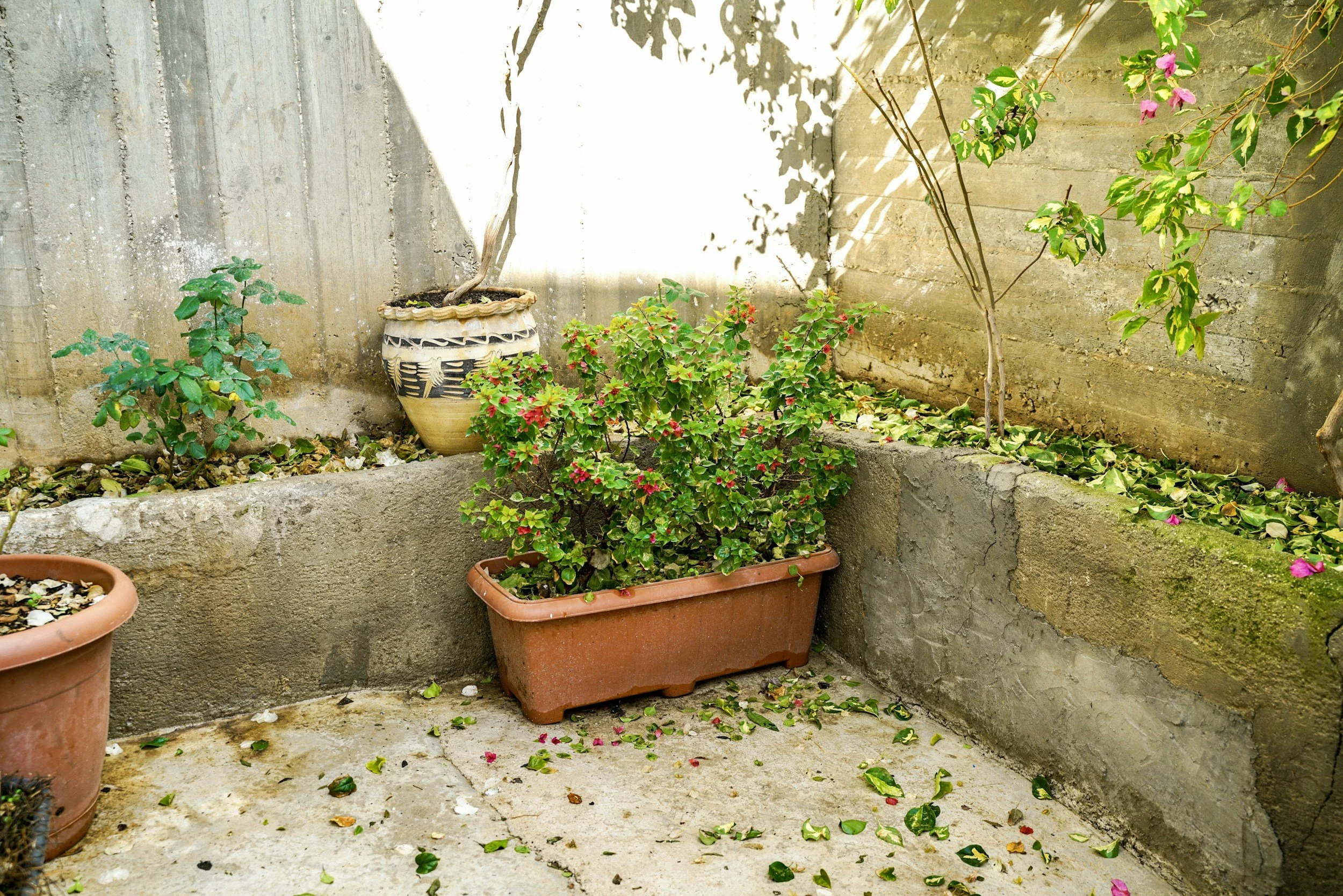
We advise on simple ways a site can become more welcoming to a wider range of pollinators, including planting, shelter and reduced disturbance.
Education and interpretation
We use these projects as a way to help people understand the differences between honeybees and other pollinators, and why both are important.

Complementary work alongside apiaries
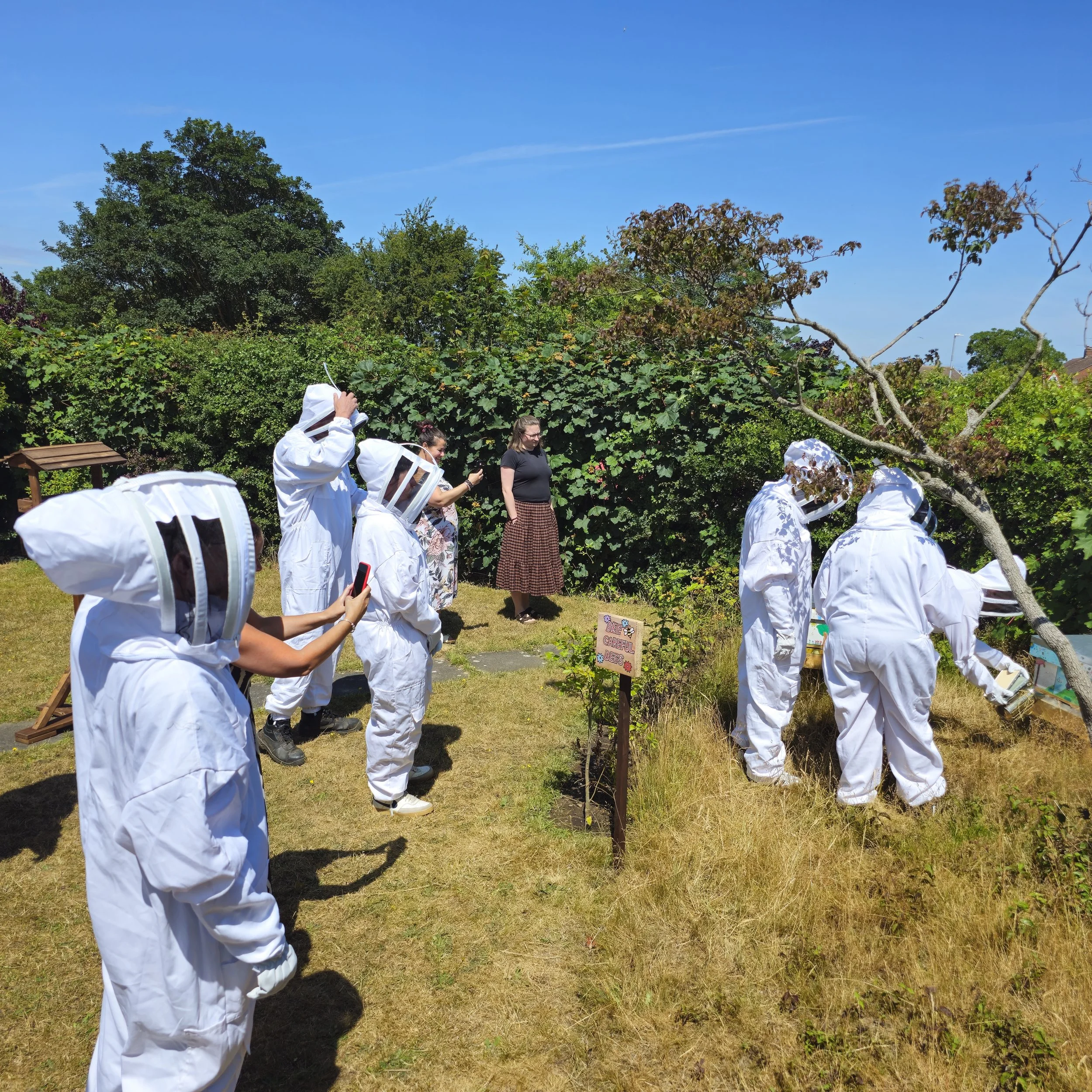
Where suitable, pollinator projects can sit alongside our community apiaries to create a broader biodiversity offer and a more rounded learning experience.
who is this for
-
A pollinator project can give schools a simple, practical way to support biodiversity while creating opportunities for outdoor learning. It can help pupils understand pollination, habitats and the importance of protecting wildlife in a way that feels real and engaging.
-
For community groups, pollinator projects can create a shared point of interest that brings people together around nature, learning and local pride. They can also offer a lower cost and lower commitment way to introduce environmental activity to a site.
-
Churches often have gardens or green spaces that can become valuable places for wildlife as well as quiet reflection. A pollinator project can complement the community role of the church by supporting nature, education and local engagement.
-
Pollinator spaces can provide a gentle and positive feature for care settings, giving residents, service users or visitors something to observe and connect with. They can help encourage conversation, interest in the outdoors and a stronger sense of place.
-
For cafés, especially those with outdoor space, a pollinator project can add character and purpose to the site while showing a visible commitment to biodiversity. It can also create a talking point for customers and strengthen the café’s community identity.
-
For businesses, this is a practical and visible way to support biodiversity on site and demonstrate environmental commitment in a way people can actually see. It can work as part of ESG goals, staff wellbeing, local engagement or broader sustainability messaging.
-
Housing organisations can use pollinator projects to improve shared outdoor spaces and create positive environmental features for residents. They can help turn underused areas into something more meaningful, while also supporting community wellbeing and biodiversity.
-
Gardens and green spaces are often ideal places to introduce projects that support pollinators and improve habitat value. Even a small area can become more welcoming to wildlife and act as a useful demonstration of practical environmental action.
For some sites, this may be a first step into working with pollinators. For others, it may sit alongside a larger beekeeping project. For businesses, it can also provide a visible and practical way to support biodiversity on site or through sponsorship.
For funders
The Pollinator Project helps us broaden the reach and accessibility of our environmental work. It gives us a lower cost, lower barrier activity that can be introduced in more locations, with less space and less ongoing commitment than a full community apiary.
It also strengthens the educational side of our work by showing that pollinator support is about more than one species alone. This makes the project particularly valuable for funders looking to support biodiversity, environmental education, wellbeing and practical community engagement.
Funding can help us:
deliver bumblebee and wider pollinator installations at community sites
create more accessible biodiversity projects for groups with limited space or budget
support habitat improvement around our existing apiaries
provide educational sessions on pollinator diversity and responsible beekeeping
develop new ways for communities to engage with nature locally
For businesses and supporters
Businesses are increasingly looking for meaningful ways to support nature, demonstrate local impact and take part in practical environmental action. Our Pollinator Project offers a simple and visible way to do that.
Support can take the form of:
sponsoring a pollinator installation at a community site
funding a bumblebee nest project at your own premises
supporting linked education or wellbeing activity
helping us expand pollinator friendly habitats alongside our wider work
This can provide a genuine local story, clear environmental value and a partnership with a grassroots CIC focused on practical delivery.
A balanced approach to pollinator support
We are proud of our community apiaries and the role honeybees play in connecting people to nature. At the same time, we believe good environmental work should be open, balanced and informed.
That is why Project Apis CIC is committed not only to beekeeping, but to supporting pollinators more widely, encouraging discussion around best practice, and helping more people understand the full ecosystem that pollination depends on.

Work with us
Whether you are a funder, business, school or community organisation, we would love to hear from you if you are interested in supporting or hosting a pollinator project.
Our Pollinator Project can be delivered as a standalone initiative or alongside one of our community apiaries, helping create spaces that support biodiversity, learning and connection with nature.