

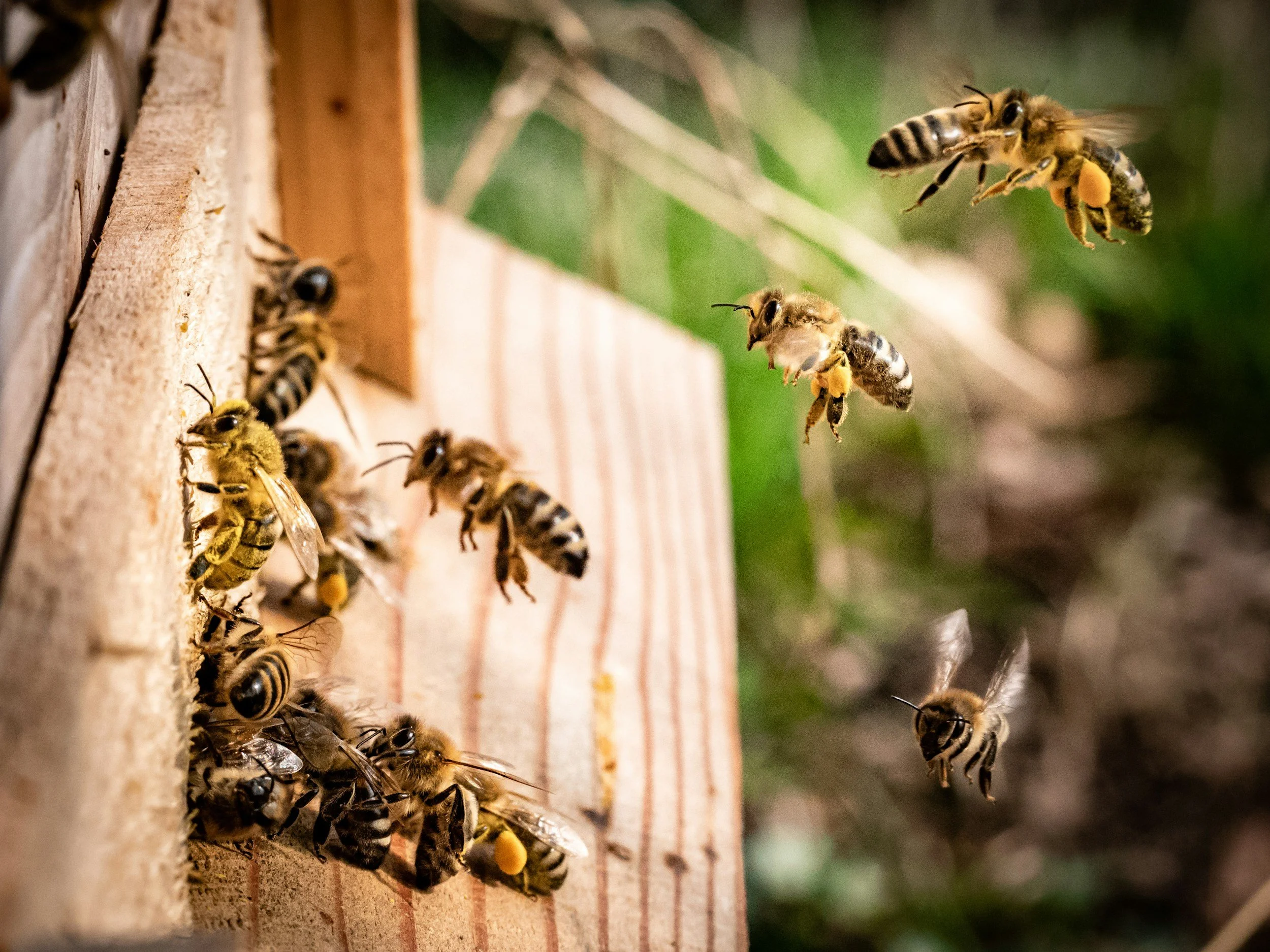
THE HONEY BEE
Want to learn about honeybees?
This page is here to help you understand the basics of honeybees, beekeeping, pollination, and the important role bees play in our environment and communities.
Honeybees are some of the most important insects in our environment. They play a vital role in pollination, help support biodiversity, and contribute to the production of many of the foods we rely on every day. But beyond that, they are also fascinating creatures with complex social lives, remarkable communication skills, and an essential place in both nature and our communities.
This page is here to help you learn more about honeybees, how they live, why they matter, and how people can support them. Whether you are completely new to the subject or already have an interest in bees and beekeeping, we hope this page gives you a simple and enjoyable introduction.
At Project Apis CIC, we believe that learning about honeybees should be accessible to everyone. By helping people understand bees better, we can inspire more connection with nature, more support for pollinators, and more opportunities for communities to get involved.
why honeybees matter
A honeybee colony is made up of three types of bee, the queen, the workers, and the drones.
The queen is the only female in the hive that lays eggs. She can lay a very large number of eggs each day during the active season and is important for keeping the colony going.
The worker bees are female bees that do almost all of the jobs in the hive. They clean the hive, feed the young, build wax comb, store food, guard the entrance, and collect nectar, pollen, water, and propolis. Worker bees are the bees most people see flying out in the environment.
The drones are male bees. Their main role is to mate with a queen from another colony. They do not collect food, make wax, or take part in the daily work of the hive.
Honeybees live together in large groups called colonies. A colony works as one organised unit, with each bee carrying out different tasks depending on its age and role. This teamwork helps the colony survive through the seasons.
Honeybees also produce honey and beeswax. Honey is made from nectar collected from flowers, and beeswax is produced by worker bees to build the comb they live and store food in.
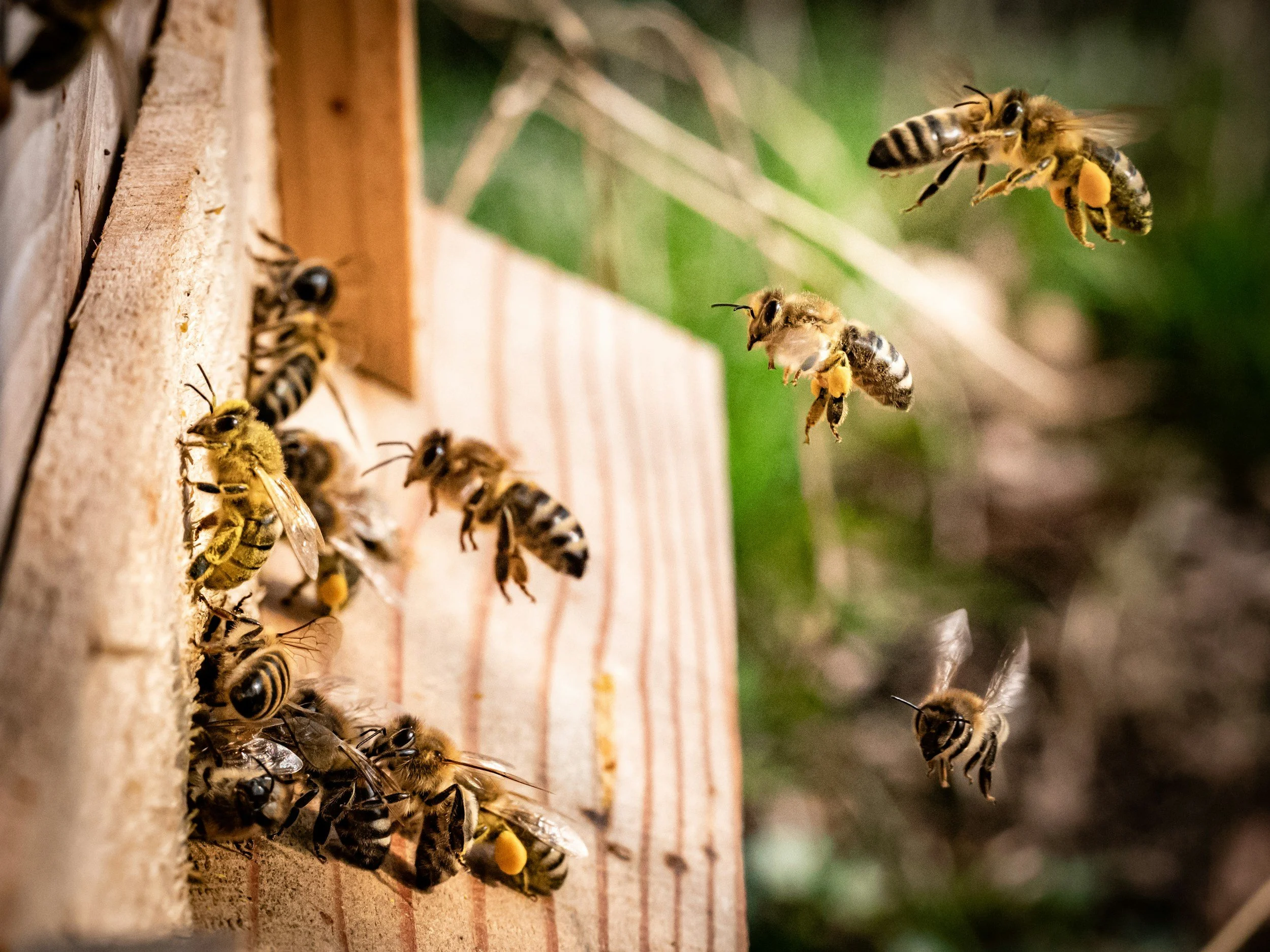
Honeybees are important because they help pollinate flowering plants. As they collect nectar and pollen, they move pollen between flowers, which helps plants reproduce. This is important for many crops, wildflowers, and trees.
Pollination supports food production and helps maintain healthy ecosystems. Many plants rely on insects like bees to grow fruit, seeds, and new plants. This also helps support other wildlife that depends on those plants for food and shelter.
Honeybees are also useful for helping people understand more about nature. Learning about bees can teach us about seasons, habitats, food systems, and the relationship between insects and the environment.
Honeybees go through four stages of development, egg, larva, pupa, and adult.
The queen lays each egg in a wax cell inside the hive. After a few days, the egg hatches into a larva. The larva is then fed by worker bees and grows quickly.
After this stage, the cell is sealed and the bee develops inside as a pupa. During this time it changes into a fully formed adult bee. Once development is complete, the adult bee emerges from the cell.
Queen bees, worker bees, and drones all develop in the same general way, but they take different amounts of time to mature. Queens develop the fastest, workers take slightly longer, and drones take the longest.
This life cycle allows the colony to keep replacing bees and growing during the active season.
Beekeeping is the care and management of honeybee colonies. A beekeeper looks after the bees, checks their health, makes sure they have enough space, and helps them stay strong through the seasons.
Honeybees are usually kept in hives made up of boxes and frames. Inside the hive, the bees build comb, raise young, and store honey and pollen.
Beekeepers inspect hives to check for signs of a healthy queen, eggs and brood, food stores, enough room in the hive, and any problems such as disease or swarming. Inspections are usually more frequent in spring and summer, when colonies are most active.
Beekeeping also changes with the seasons. Spring and summer are the busiest times, while autumn and winter are more focused on preparing the bees for colder weather and checking that they have enough food.
beekeeping basics
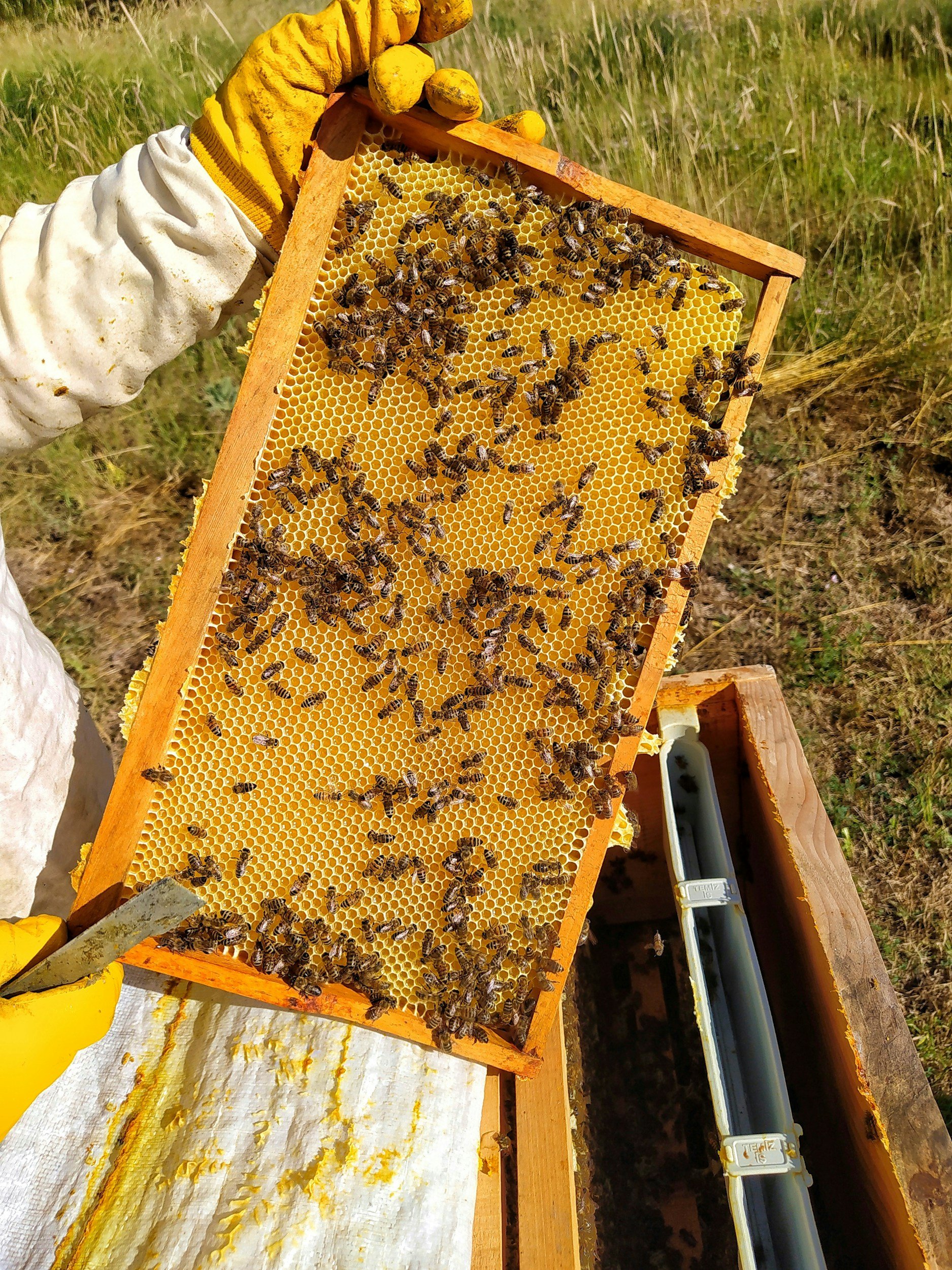
Beekeeping changes throughout the year because the needs of a honeybee colony change with the seasons.
In spring, colonies begin to grow quickly as the weather becomes warmer and more flowers appear. The queen lays more eggs, worker numbers increase, and the colony becomes more active.
In summer, the colony is usually at its largest and busiest. Bees collect large amounts of nectar and pollen, and this is also the time when swarming is most likely to happen.
In autumn, the colony begins to slow down. The beekeeper checks that the bees have enough food for winter and makes sure the hive is in good condition.
In winter, bees stay clustered together inside the hive to keep warm. They are much less active, and the main aim is to help them survive until spring.
swarming
Swarming is a natural part of how honeybee colonies reproduce. It usually happens in spring or early summer when a colony becomes strong and crowded.
When a colony swarms, the old queen leaves the hive with a large group of worker bees to find a new home. The remaining bees stay behind and raise a new queen.
A swarm often gathers in a cluster nearby, such as on a tree branch or fence, while scout bees search for a suitable place to move to. During this stage, the bees are usually less defensive than they are when protecting a hive.
Swarming is not usually a sign that something is wrong. It is a normal behaviour, but beekeepers try to manage it because it reduces the size and strength of the original colony.
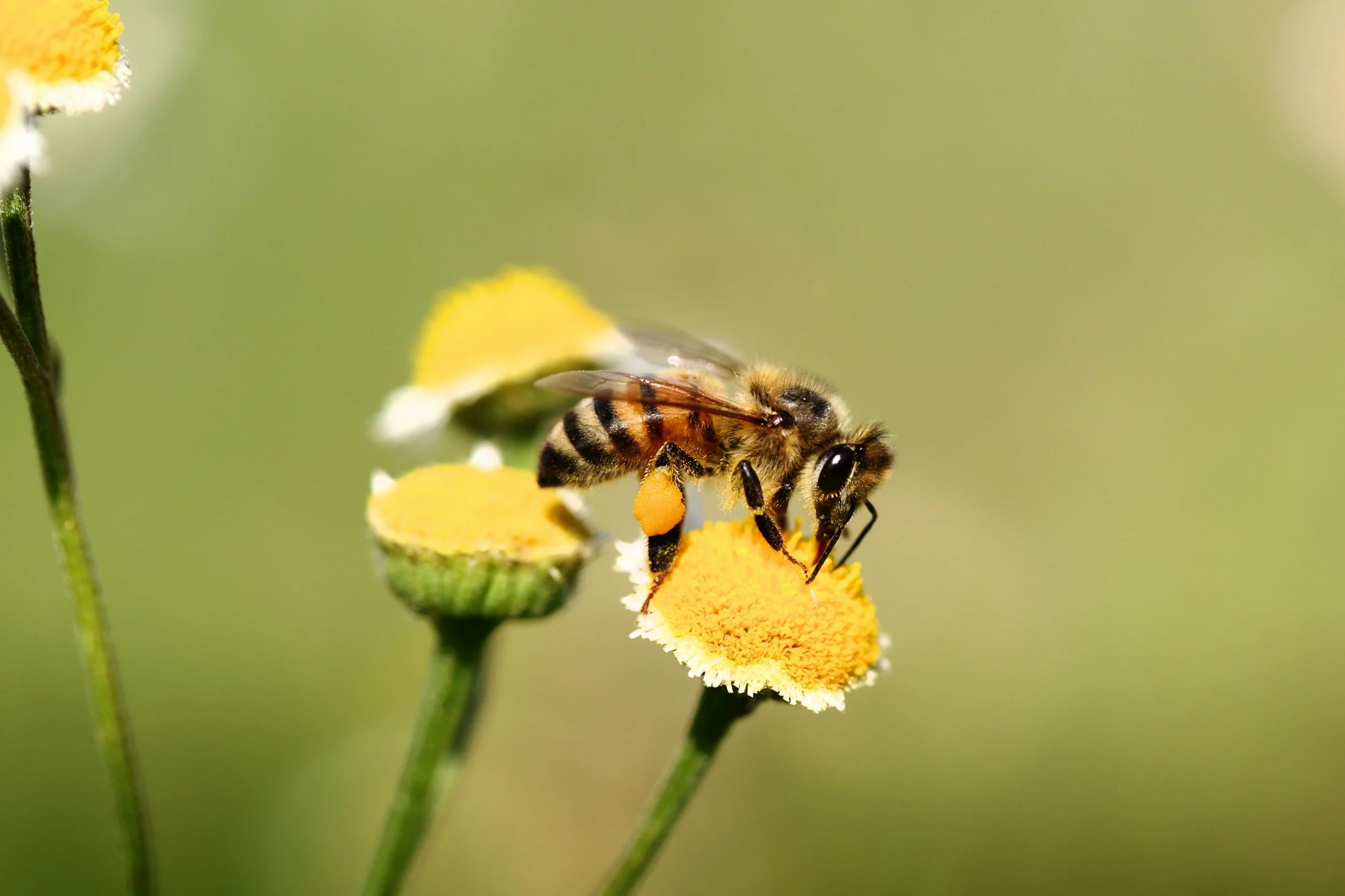
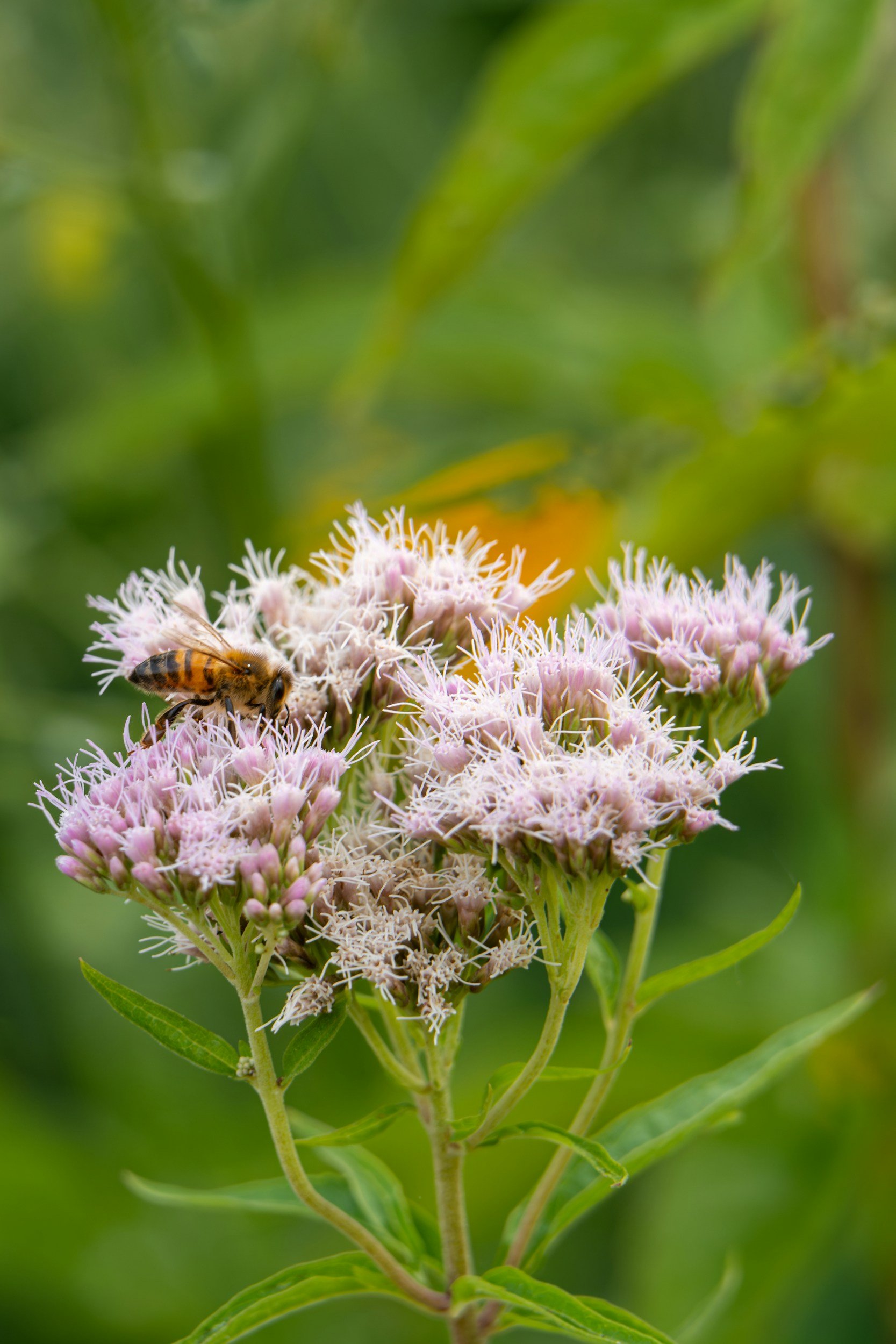
Pollination is the process of moving pollen from one flower to another so plants can reproduce. Honeybees do this as they collect nectar and pollen for the colony.
This helps many plants produce fruit, seeds, and new growth. It is important for crops, garden plants, wildflowers, and trees.
Pollination also supports biodiversity. When plants grow successfully, they provide food and shelter for other insects, birds, and animals. This means bees are part of a much wider natural system.
Honeybees are only one type of pollinator. Bumblebees, solitary bees, butterflies, moths, hoverflies, and other insects also play an important role in the environment.
How You Can Help Bees
There are many simple ways to help bees and other pollinators.
Planting a range of flowers that bloom at different times of year can provide a steady source of nectar and pollen. Gardens, balconies, and community spaces can all help.
Avoiding unnecessary pesticide use is also important, as some chemicals can harm bees and other insects.
Leaving wild areas, planting native flowers, and creating spaces where pollinators can feed and shelter can support a wider range of wildlife.
People can also help by learning more about bees, supporting local beekeepers, and taking an interest in how pollinators fit into the wider environment.
Learn With Us
Learning about honeybees can be much easier when you can see them up close and ask questions as you go. Practical experience helps people understand how a colony works, what beekeepers do, and how bees change through the seasons.
There are many ways to learn, including reading, watching demonstrations, attending talks, and joining guided hive sessions. For beginners, starting with the basics and building confidence over time is often the best approach.
Learning about bees can also help people feel more connected to nature, food production, and the environment around them.
Frequently Asked Questions
-
No. Honeybees make honey, but most bee species do not.
-
No. Some bees can sting, but many are not aggressive and will only sting if they feel threatened.
-
Honeybees live in large colonies and store honey. Bumblebees live in smaller groups and do not produce large honey stores.
-
Keep a safe distance and contact a local beekeeper or swarm collector. Do not disturb the bees.
-
Honeybees stay inside the hive in a cluster to keep warm and survive on stored food.
-
Bees help pollinate plants, which supports food production and healthy ecosystems.