

Every beekeeper hopes to open their hives in spring and find strong colonies ready for the new season. Some years that happens. Other years are more difficult.
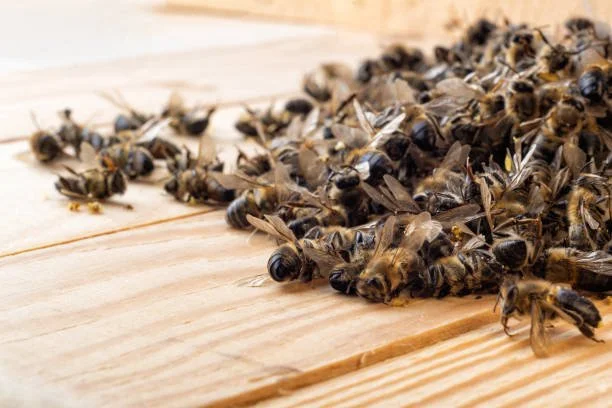
Across the UK this winter has been a challenging one for honey bees. Many beekeepers have reported significant colony losses, from small hobby apiaries to much larger operations. It is never easy to lose colonies, but it is also part of the reality of beekeeping.
The important thing is understanding why losses happen and learning from them.
At Project Apis CIC, we have also experienced winter losses this year. These losses occurred within our private teaching apiary, the colonies we use for demonstrations, training sessions, and private beekeeping experiences.
Going into winter I was managing around 15 colonies at this private site. Coming out of winter we currently have 6 surviving colonies.
It is not the outcome any beekeeper hopes for, but it is also not unusual in a difficult winter. Spring is now the time to rebuild, strengthen the colonies that survived, and apply the lessons we have learned.
Importantly, these colonies are separate from our community apiaries, which operate across multiple locations and continue to grow as part of the project.
Why Do Bees Die Over Winter?
Winter is the most demanding period of the year for honey bee colonies.
During this time the colony forms what is known as a winter cluster, with bees gathering tightly around the queen to maintain warmth. By vibrating their flight muscles they generate heat inside the cluster, keeping the core of the colony at around 35°C, even when outside temperatures drop close to freezing.
Throughout winter the bees slowly move through the hive, consuming stored honey to survive.
For a colony to successfully make it through winter several factors need to align:
• Enough bees going into winter
• Adequate honey stores
• A healthy queen
• Low parasite and disease pressure
• Proper ventilation and a clear hive entrance
If one or more of these factors fails, colonies can struggle or collapse before spring arrives.
Possible Causes of Our Losses
Looking at the colonies we lost this year, there are two main factors that likely contributed.
Entrance Blockage From Mouse Guards
Some of the hives were fitted with plastic variable entrance blocks which also act as mouse guards. These are designed to prevent mice from entering the hive during winter while still allowing bees to pass through the entrance.
However, we believe that in some colonies these openings became partially blocked by dead bees.
During winter a natural number of bees die as part of the colony’s life cycle. Worker bees normally remove these bodies from the hive and carry them outside. If the entrance becomes restricted, dead bees can build up near the opening.
Over time this can create a blockage that prevents other bees from removing the bodies, restricts airflow, and reduces the ability of the colony to manage the hive environment properly.
Some beekeepers have reported similar problems when using certain styles of plastic entrance reducers or mouse guards, where the openings can trap debris more easily than simpler wire designs.
A Sudden Cold Spell
Another factor we believe played a role was a particularly cold period during winter.
Bees survive winter by consuming their honey stores. However, when temperatures drop sharply the honey can solidify or crystallise, making it harder for bees on the outer edges of the cluster to access it.
If the cluster cannot move easily across the frames to reach fresh stores, some bees can starve even though honey is still present in the hive.
This phenomenon is often referred to as isolation starvation and is widely recognised among beekeepers as a cause of winter losses.
It tends to happen when colonies are relatively small or when cold weather arrives suddenly.
Winter Losses Are More Common Than Many People Realise
For those new to beekeeping, losing colonies can feel discouraging. But winter losses are actually quite common.
In many parts of the UK it is normal for beekeepers to lose 20 to 40 percent of their colonies over winter in an average year. In particularly challenging seasons the percentage can be higher.
There are many possible contributing factors including:
• Varroa mites and viral diseases
• Weak colonies entering winter
• Poor weather conditions
• Starvation or isolation starvation
• Damp hives or poor ventilation
• Queen failure
Often losses are the result of several small factors combining rather than a single obvious cause.
Why These Experiences Still Matter
While losses are frustrating, they are also part of how beekeepers improve.
Each season teaches us something about equipment, hive management, weather patterns, and colony behaviour. These lessons help us make better decisions going forward.
For Project Apis CIC this knowledge is particularly important because we use our private apiary to teach and introduce people to beekeeping. The more we learn, the better we can support volunteers and new beekeepers.
Looking Ahead to Spring
With spring now approaching, the surviving colonies will begin expanding quickly as the queen increases egg laying and early pollen sources become available.
From these strong colonies we can begin rebuilding numbers by:
• Splitting colonies
• Raising new queens
• Expanding colonies through the season
This is one of the remarkable things about bees. A strong colony in spring can grow rapidly and create new colonies within a single season.
The Season Ahead
Despite the winter losses, we are very optimistic about the year ahead.
Our community apiaries will soon reopen for sessions as the weather improves, giving volunteers the chance to work with the bees and see the colonies grow through the season.
We are also currently in the final planning stages for a new Community Apiary in Great Yarmouth, which we hope to announce very soon.
Every season brings challenges, but it also brings new opportunities to learn, rebuild, and bring more people into the world of beekeeping.
And that is exactly what we plan to do.
