
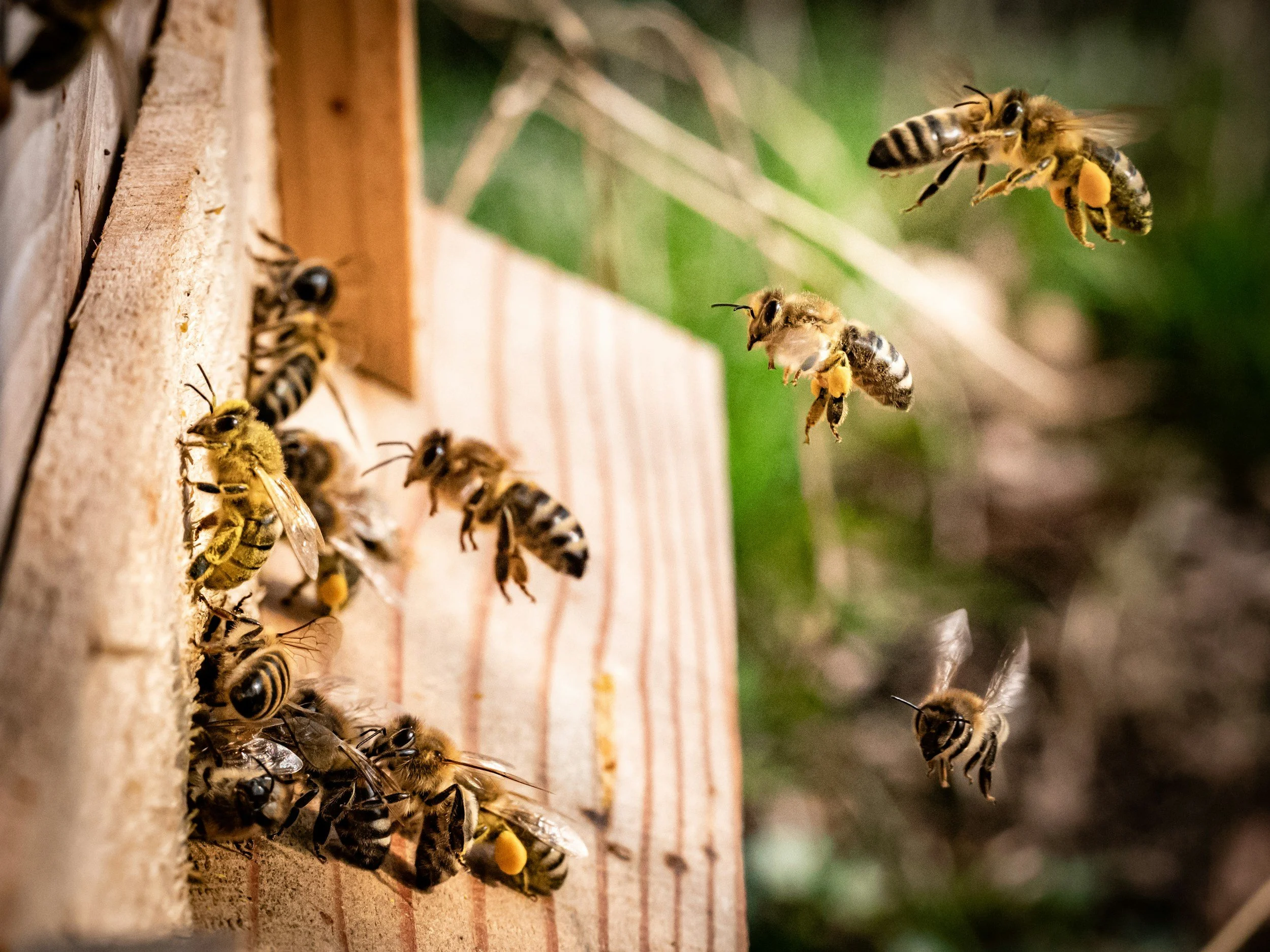
Beekeeping is something many people are curious about, but very few actually try. It often feels out of reach, something that requires land, expensive equipment, and years of experience. For most, that is enough to stop the idea before it begins.
Across Norfolk and Suffolk, that is starting to change.
It is now possible to get involved in beekeeping without owning a hive, buying equipment, or having any prior knowledge. Community apiaries are opening up access to something that has traditionally been limited to a small number of people.
Why Beekeeping Feels Difficult to Access
There are a few common reasons why people never take the first step.
Cost is one of the biggest. A full setup can quickly run into hundreds, sometimes thousands of pounds. Then there is the issue of space. Not everyone has a garden suitable for hives, and even those who do may not feel confident using it.
Lack of experience is another barrier. Beekeeping can seem technical and intimidating from the outside, especially if you do not know anyone already involved.
These challenges are real, but they are not insurmountable.
A Different Way to Get Started
Community beekeeping removes most of these barriers.
Instead of needing your own setup, you can take part in a shared apiary where everything is already in place. The hives, the bees, and the equipment are provided. Sessions are run in small groups, giving people the chance to learn by doing rather than trying to figure it out alone.
You might find yourself opening a hive for the first time, spotting the queen, or learning how a colony functions through the season. It is practical, hands-on, and guided at a pace that suits you.
There is no expectation to commit long term. You can come along, take part, and decide for yourself whether it is something you want to continue with.
Who Can Take Part
Beekeeping at a community level is designed to be accessible.
You do not need any experience, qualifications, or equipment. You do not need to have worked with animals before. You simply need an interest in trying something new.
People come along for different reasons. Some are interested in the environmental side, others want to learn a new skill, and some are simply looking for a reason to spend more time outdoors. There are also those who find it beneficial for their mental wellbeing, offering a structured, practical activity away from everyday pressures.
What Happens at a Session
For someone attending for the first time, the process is straightforward.
You are introduced to the site and the basic safety guidance. Protective clothing is provided, and you are shown how to use it properly. From there, you will observe a hive inspection and gradually get involved if you feel comfortable.
There is no pressure to do anything you are not ready for. Some people prefer to watch initially, while others are keen to get stuck in straight away. Both approaches are fine.
Most people find that any initial nerves settle quickly once they are stood next to a hive and understand what is happening.
More Than Just Beekeeping
What often surprises people is that it is not just about the bees.
Over time, these sessions become a regular part of people’s week. They offer a chance to step away from routine, spend time outdoors, and be part of something shared with others. Conversations happen naturally, skills develop over time, and a sense of ownership builds around the apiary.
It becomes less about trying something new and more about being part of something ongoing.
Where to Find Sessions
Community beekeeping sessions are now running in several locations across Norfolk and Suffolk, with more being developed as interest grows.
Sessions are typically held weekly during the active beekeeping season. Groups are kept small to ensure everyone has the opportunity to take part safely and meaningfully.
All necessary equipment is provided, so there is nothing you need to bring with you.
Taking the First Step
Getting started is often the hardest part.
There is no need to prepare or learn everything in advance. Turning up, asking questions, and seeing it for yourself is enough.
For many people, what starts as a one-off visit quickly becomes something they look forward to each week.
Why It Matters
Access to nature and practical outdoor activities is not always easy to find, particularly in structured, supportive environments.
Community beekeeping offers a way to bridge that gap. It provides an opportunity for people to engage with the natural world in a hands-on way, while also building confidence, knowledge, and community connections.
For some, it remains a casual interest. For others, it becomes a long-term passion.
Either way, it starts with a single session.
Get Involved
If you are interested in trying beekeeping for yourself, the best thing to do is take that first step. Look out for local sessions, get in touch to find out more, or come along and see how it works in practice.
There is nothing to lose by giving it a go, and a lot to gain if it turns out to be something you enjoy.
