
From One Hive to a Growing Network, The Story of Project Apis CIC
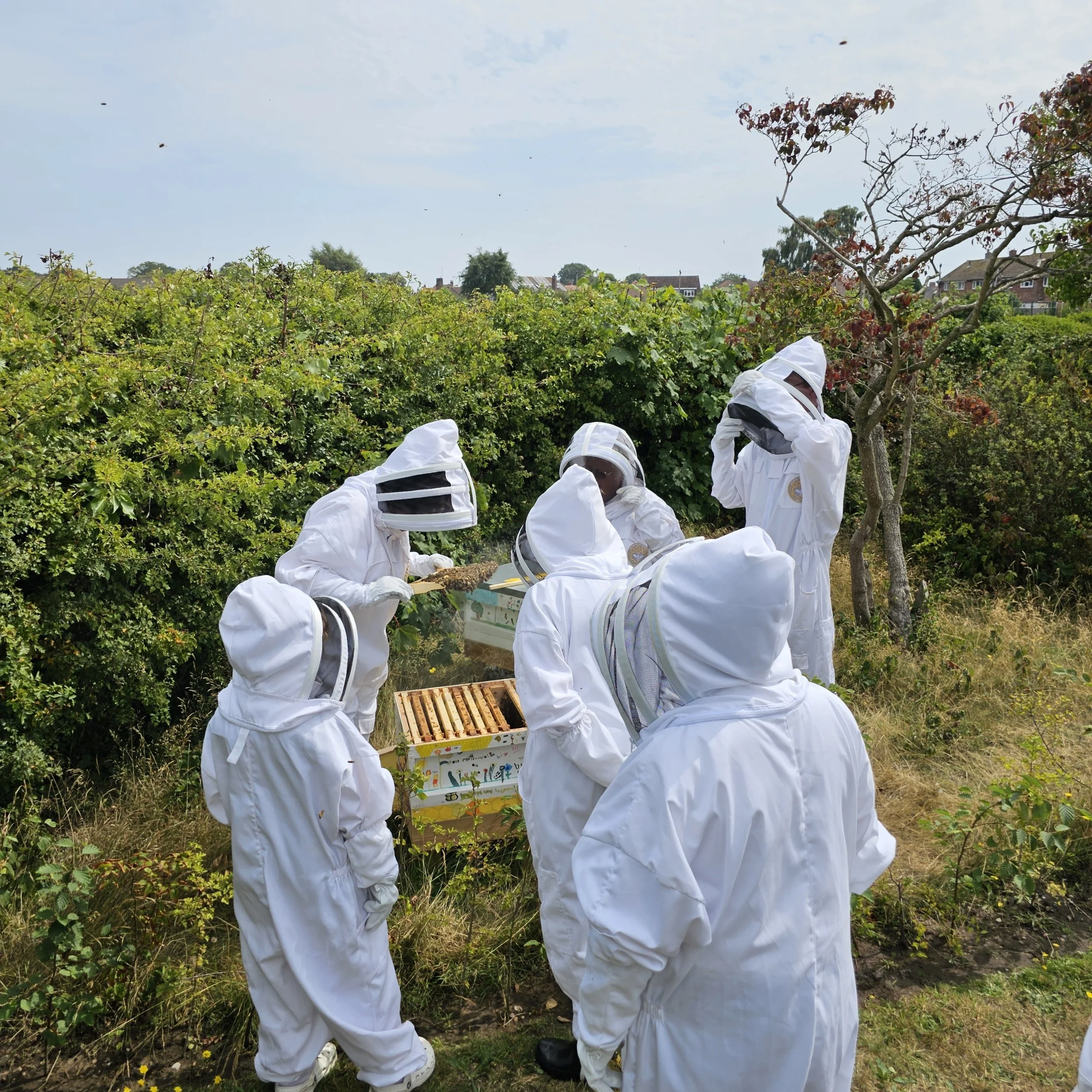
St Mary Magdalene Church
Community Apiary
Project Apis CIC did not start as a large plan or a funded project. It started with a simple interest in beekeeping and a realisation that most people never get the chance to try it.
Like many people, my introduction to bees came through hands-on experience rather than formal training. Over time, that interest grew into something more serious, and eventually into Gorleston Apiary. Through that, I began to see just how much interest there was locally. People were curious, asking questions, wanting to get involved, but not knowing how.
The same barriers came up again and again. Cost, lack of space, and not having anyone to learn from. Beekeeping was something people liked the idea of, but very few felt able to actually start.
Instead of ignoring that, the decision was made to test a different approach.
Starting Small and Proving It Works
The first step was simple. Set up a couple of community apiaries and invite people to take part for free.
There was no funding behind it at the start, no guarantee it would work, and no formal structure. It was a case of building something from scratch and seeing if people would turn up.
They did.
What started as two small pilot sites quickly grew into something more. Volunteers began attending regularly, learning how to handle bees, asking questions, and becoming part of something ongoing rather than just a one-off experience.
In a short space of time, demand began to outgrow what was originally planned. More locations showed interest, more people wanted to get involved, and it became clear that this was not just a small local project. There was a genuine need for it.
That is when Project Apis CIC was formally created.
Building Something That Lasts
Since then, the focus has been on building a model that is both accessible and sustainable.
Community apiaries have been established across multiple sites, each one creating a space where people can take part in beekeeping without the usual barriers. Everything needed is provided, from the hives and bees to the protective equipment and guidance.
The aim has never been to create a single location or a one-off project. It has been to create a structure that can be repeated and expanded, allowing more communities to take part over time.
Alongside this, partnerships have started to form with local organisations, community groups, and businesses. These relationships are what allow the project to grow, bringing in the support needed to continue offering free access while reaching more people.
What has remained consistent throughout is the approach. Keep it simple, keep it practical, and make it genuinely accessible.
Looking Ahead
Project Apis CIC is still in its early stages, but the direction is clear.
The demand is there, the model works, and the impact is visible. People are turning up, learning new skills, spending time outdoors, and becoming part of something they would not otherwise have had access to.
The next step is growth. Expanding into new areas, developing more community apiaries, and building the support needed to make the project sustainable long term.
At its core, the idea has not changed. Remove the barriers, create the opportunity, and let people experience beekeeping for themselves.
Everything else has grown from that.
