
The Pollinators Most People Never Notice
When most people think of pollinators, they picture a honeybee. That makes sense. Honeybees are familiar, easy to recognise, and a huge part of what we do at Project Apis CIC.
But they are not the whole story…
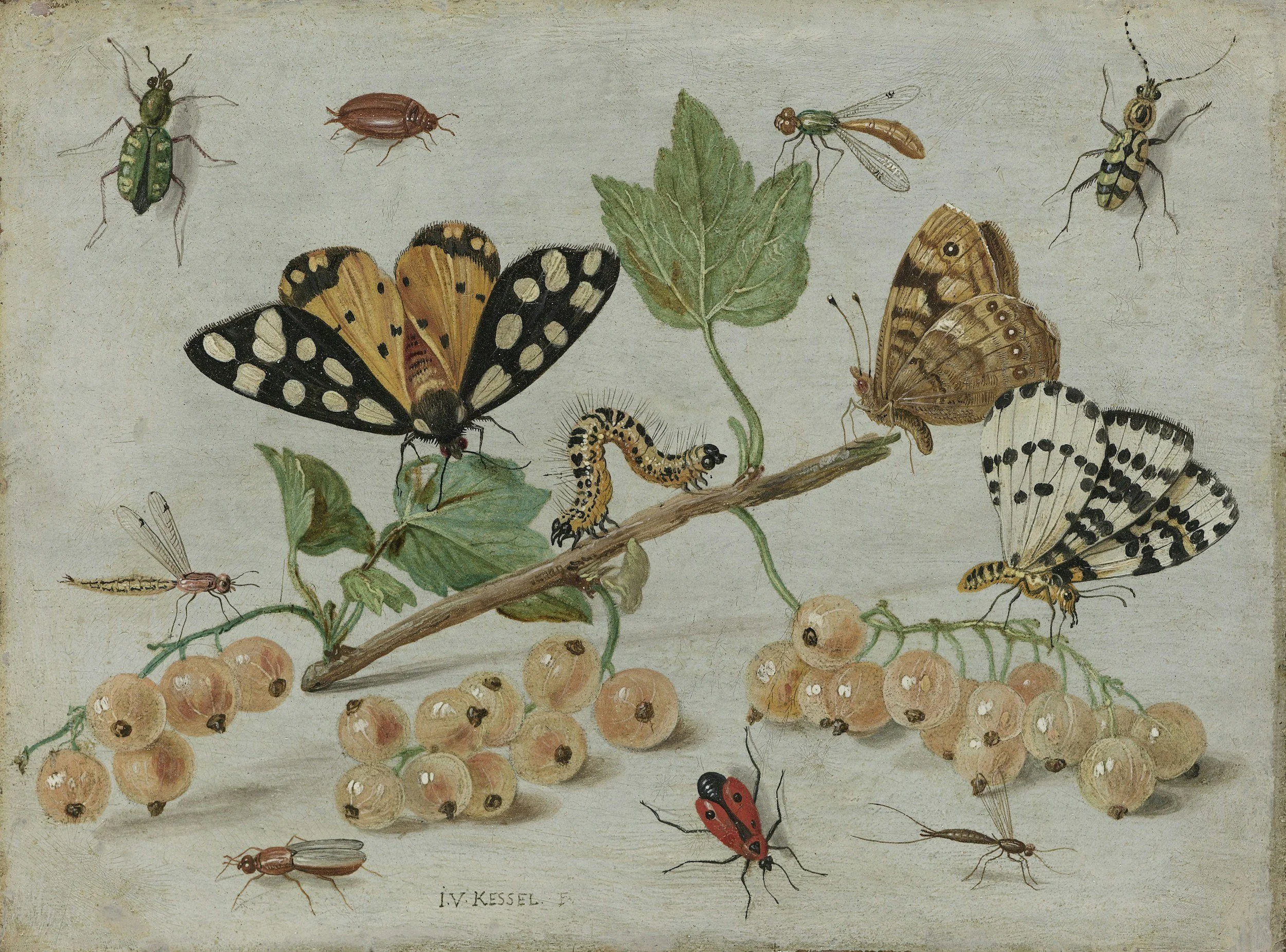
.Across Norfolk, Suffolk, and the rest of the UK, there are many other insects quietly doing important work. Bumblebees, solitary bees, hoverflies, moths, butterflies, beetles, wasps, and other flies all play a part in pollination. The RHS lists pollinators as including bumblebees, solitary bees, wasps, hoverflies, moths, butterflies, and some beetles.
Some are tiny. Some look like something else entirely. Some work at night, when most of us are indoors. Many people walk past them every day without noticing.
Why Pollinators Matter
Pollination is one of those natural processes that is easy to take for granted.
When an insect visits a flower for nectar or pollen, it can move pollen from one flower to another. This helps many plants produce fruit, seeds, and new growth.
That matters for gardens, orchards, farms, wildflowers, hedgerows, and wider local biodiversity.
At Project Apis CIC, we talk a lot about community apiaries and beekeeping, but we are also clear about one important thing. Supporting biodiversity is not just about honeybees.
Honeybees are wonderful, but healthy green spaces need a wide mix of pollinators.
Bumblebees, The Big Fuzzy Workers
Bumblebees are often easier to spot than many other wild pollinators. They are round, furry, and usually louder than honeybees.
They are also brilliant pollinators.
The Bumblebee Conservation Trust explains that bumblebees feed on pollen and nectar, moving pollen between flowers as they go. This helps many plants produce the fruits, vegetables, and seeds they need.
Bumblebees can also work in cooler conditions than honeybees. That means they can be especially useful in spring, when the weather is still a bit unsettled.
You might see them on lavender, foxgloves, clover, bramble, comfrey, fruit blossom, and many other flowers.
Solitary Bees, Small But Important
Not all bees live in large colonies.
Solitary bees usually live alone. Each female often makes her own nest, lays her own eggs, and gathers food for her young.
Some nest in hollow stems. Some use small holes in walls or timber. Others nest in bare soil.
You may have heard of mason bees, mining bees, and leafcutter bees. These are all types of solitary bee.
They do not produce honey like honeybees, and most people barely notice them. But they are still excellent pollinators.
In fact, once you start looking, you may realise they have been in your garden all along.
Hoverflies, The Pollinators in Disguise
Hoverflies are easy to mistake for bees or wasps.
Many have yellow and black markings, but they are flies. They often hover in the air before landing on flowers, which is where their name comes from.
Hoverflies visit flowers for nectar and pollen, helping with pollination as they move from plant to plant. The RHS describes hoverflies as vital pollinators and natural pest controllers, making them useful garden visitors in more ways than one.
Their larvae can also help control aphids, depending on the species.
So if you see something hovering near your flowers, do not be too quick to dismiss it. It might be doing more good than you realise.
Moths, The Night Shift
Moths are often forgotten when people talk about pollinators.
That is partly because many of them are active at night. While bees and butterflies get most of the daytime attention, moths can be visiting flowers after dark.
Wild About Gardens notes that there are around 2,500 moth species in the UK, and many are important pollinators as well as a food source for other wildlife.
This is one reason night scented flowers can be useful in a wildlife friendly garden.
Plants such as honeysuckle, evening primrose, jasmine, and night scented stock can help support insects that are active when we are not watching.
Beetles, The Ancient Pollinators
Beetles might not look like classic pollinators, but some of them do visit flowers.
Buglife explains that some beetles feed on pollen and nectar, picking up pollen grains on their bodies as they move around. It also notes that around 250 beetle species in the UK act as pollinators.
They may not be as graceful as bees or butterflies, but they still have a place in the wider pollination story.
This is a good reminder that nature does not always look neat and tidy. Sometimes the insects doing important work are the ones we overlook.
What We Can Do to Help
Supporting pollinators does not have to be complicated.
Small changes can make a real difference, especially when lots of people do them in gardens, schools, churches, community spaces, and business sites.
You can help by:
planting flowers that bloom at different times of year
leaving some areas a little wild
avoiding pesticides where possible
adding native plants and wildflowers
leaving bare soil for ground nesting bees
keeping some hollow stems over winter
planting for bees, butterflies, moths, hoverflies, and beetles
The RHS Plants for Pollinators work focuses on year round flowering plants to help tackle the decline in pollinator numbers.
The aim is not to create a perfect garden. It is to create a useful one.
How This Links to Project Apis CIC
Project Apis CIC began with community beekeeping, but our work has grown into something wider.
Through our community apiaries, workshops, education, and Pollinator Project, we want more people to understand the role of bees and other pollinators in local biodiversity.
That includes honeybees, but it also includes the insects most people never notice.
Our Pollinator Project helps schools, churches, community groups, and businesses think more carefully about the spaces around them. It is about habitat, planting, education, and giving people a simple way to take action for nature.
Because when people notice pollinators, they usually start noticing the whole environment differently.
Start Looking a Little Closer
Next time you see a flower, pause for a moment.
Look at what is visiting it.
It might be a honeybee. It might be a bumblebee. It might be a hoverfly pretending to be something else. It might be a tiny solitary bee you have never seen before.
That small moment of noticing is where a lot of environmental care begins.
If your school, church, business, or community group would like to support pollinators, improve biodiversity, or learn more about the Project Apis CIC Pollinator Project, please get in touch.
We would love to help you create a space that works for people and pollinators.
