
Why Spring 2026 Has Been a Slow Start for Bees in Norfolk
Spring is usually the time when beekeepers start to see colonies wake up properly. The flowers begin to open, the bees fly more often, and hives slowly start filling with new life.
But this year, things have felt a little slower.
Across Norfolk, Suffolk, and much of the UK, the start of the beekeeping season has been held back by cooler spells and changeable spring weather. The Met Office described mid May as having a “distinctly cool feel” across much of the UK, with northerly winds bringing colder air before warmer weather arrived later in the month.
For Project Apis CIC, this means our community apiaries are still active, but the bees have needed a little more time to build up.
Why Cold Weather Slows Bees Down
Honeybees do not work to our calendars. They work with the weather.
When it is cold, windy, or wet, bees are less likely to fly. Even if flowers are available, the bees may not be able to get out often enough to collect nectar and pollen.
That can slow down:
colony growth
egg laying from the queen
wax building
food collection
the start of stronger hive activity
This does not always mean something is wrong. It often means the colony is being sensible.
Bees are very good at waiting for the right conditions. A cold spring can make everything feel delayed, but once warmth, forage, and steady weather arrive together, colonies can change very quickly.
What Beekeepers Look For in Spring
At this time of year, beekeepers are checking colonies carefully, but not rushing them.
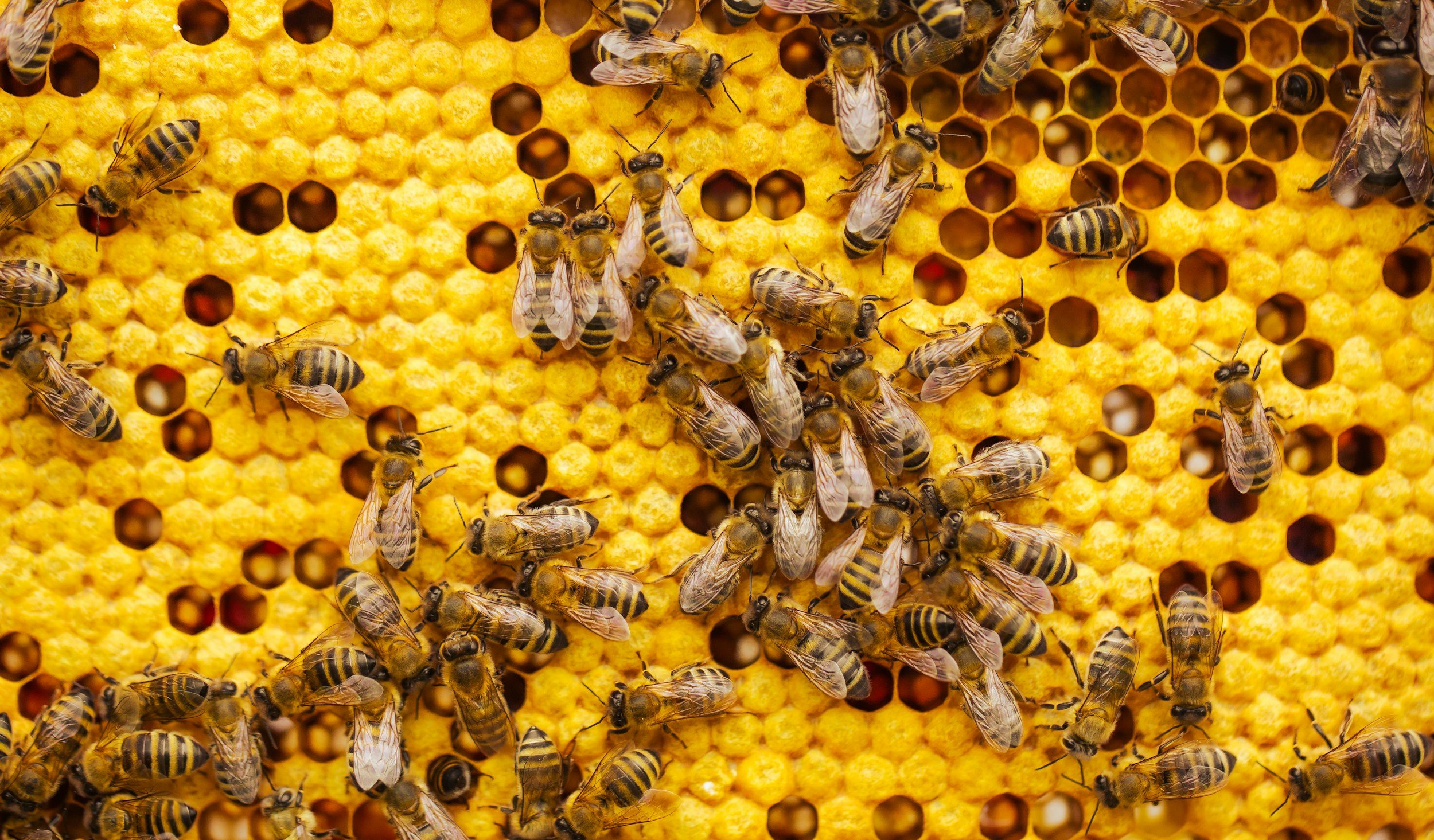
Inside a hive, we are looking for signs that the colony is healthy and building well. That includes:
fresh eggs and larvae
a laying queen
enough food stores
pollen coming into the hive
space for the colony to grow
early signs of swarming
Spring inspections are not about disturbing the bees for the sake of it. They are about giving each colony the best chance to grow safely.
Sometimes that means adding space. Sometimes it means feeding. Sometimes it simply means closing the hive back up and giving the bees more time.
Why Bee Activity Can Suddenly Change
One of the strange things about beekeeping is how quickly things can move.
A hive that seems quiet one week can suddenly become busy when the weather improves. More bees begin flying, more nectar comes in, and the queen may increase her laying.
By late May, parts of the UK moved from cooler weather into very warm conditions, with Suffolk among the areas meeting heatwave criteria.
That kind of shift can wake everything up quickly. For beekeepers, it means we need to stay alert. A slow start does not always mean a slow season.
What This Means for Our Community Apiaries
At our community apiary sessions, visitors may notice that some hives are busier than others. That is completely normal.
Each colony has its own rhythm.
Some build up early. Some take longer. Some are calm and steady. Others suddenly surge forward when the conditions are right.
For beginners, this is actually one of the best parts of learning beekeeping through a community apiary. You get to see the season as it really is, not as it looks in a textbook.
You learn that beekeeping is about patience, observation, and working with nature rather than trying to force it.
A Slow Start Can Still Lead to a Strong Season
A delayed start does not mean the season has failed.
In many cases, a slower spring simply means the bees need a little more time before they reach full strength. As the days warm up and more flowers come through, colonies can grow quickly.
For Project Apis CIC, this is why regular checks matter. We are making sure the bees have what they need, while also giving volunteers and visitors a chance to learn what real beekeeping looks like in a changing season.
It is not always fast. It is not always predictable. But it is always fascinating.
Come and See the Bees for Yourself
If you are curious about beekeeping, this is a brilliant time to visit one of our community apiaries.
You do not need your own hive. You do not need experience. You just need to come along, ask questions, and see what is happening inside a real working colony.
Project Apis CIC offers free and accessible beekeeping opportunities across local community apiary sites in Norfolk and Suffolk.
Get in touch if you would like to join a session, volunteer, or find out more about hosting a community apiary.
